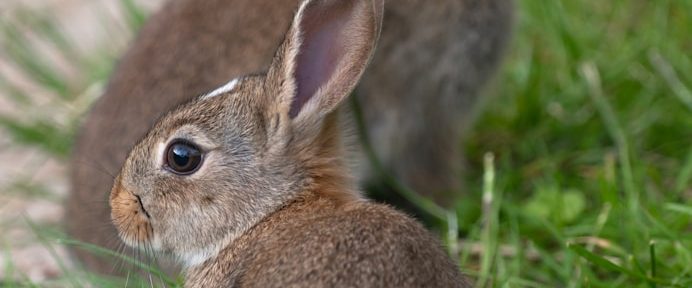
Rabbit population control is necessary to prevent severe economic damage to agriculture and forestry, protect biodiversity from habitat degradation, and prevent soil erosion caused by overgrazing and burrowing. Unchecked, they compete with native wildlife, damage infrastructure, and can cause significant ecological damage, often requiring professional intervention.
Primary Reasons for Controlling Rabbit Populations
- Agricultural Damage: Rabbits cause extensive damage to arable crops, such as wheat, barley, and maize, by grazing on saplings and stripping bark. They also compete directly with livestock for pasture.
- Environmental and Ecological Destruction: Intense grazing and overgrazing lead to the loss of vegetation cover, resulting in soil erosion and, in severe cases, the destruction of entire ecosystems.
- Biodiversity Loss: As an invasive species in many areas, rabbits threaten native flora and fauna by destroying habitats and competing for food, which can put endangered species at risk.
- Structural Damages: Their extensive burrowing and tunneling activities can make ground unstable and cause damage to infrastructure, including banks and foundations.
- Legal Obligations: In some regions, such as the UK, landowners have a legal responsibility to control rabbit populations on their land to prevent them from spreading to neighboring properties.
- Disease Transmission: Rabbits can carry diseases and parasites, such as fleas, which can be transmitted to domestic rabbits and other animals.
Note: In some ecosystems, rabbits serve as a food source for predators, meaning their population management requires a balanced approach to avoid impacting predator-prey dynamics.