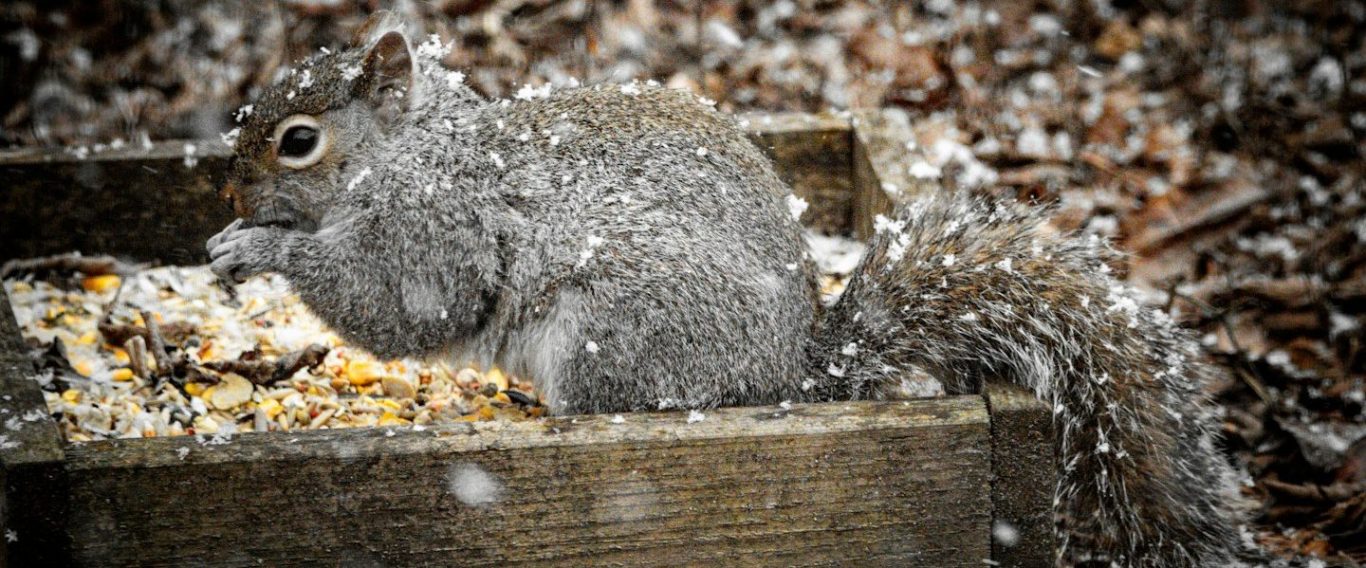
Grey squirrels are controlled in the UK because they are a non-native, invasive species that cause severe economic and ecological damage. They threaten native red squirrels by outcompeting them for food and transmitting the deadly squirrel pox virus. Furthermore, they cause at least £14 million in annual damage to commercial forestry by stripping tree bark.
Key reasons for controlling grey squirrels include:
- Protecting Native Red Squirrels: Grey squirrels carry the squirrel pox virus, which is fatal to native red squirrels but not to greys. Their larger population and feeding habits outcompete reds for food and space.
- Preventing Forestry Damage: Grey squirrels strip bark from young trees (especially oak, beech, and chestnut), killing or weakening them. This causes significant economic damage to commercial forestry and hurts biodiversity in woodlands.
- Ecological and Environmental Impact: They damage bird nests, predating on eggs and young birds. They also damage gardens, orchards, and biodiversity in natural habitats.
- Property Damage: Grey squirrels often enter roof spaces in homes, causing damage to wiring, insulation, and timber.
- Legal Status: As a non-native invasive species, it is illegal to release a captured grey squirrel back into the wild in the UK.
Management methods, such as trapping and shooting, are used to reduce their populations, particularly to allow red squirrels to survive in specific areas.